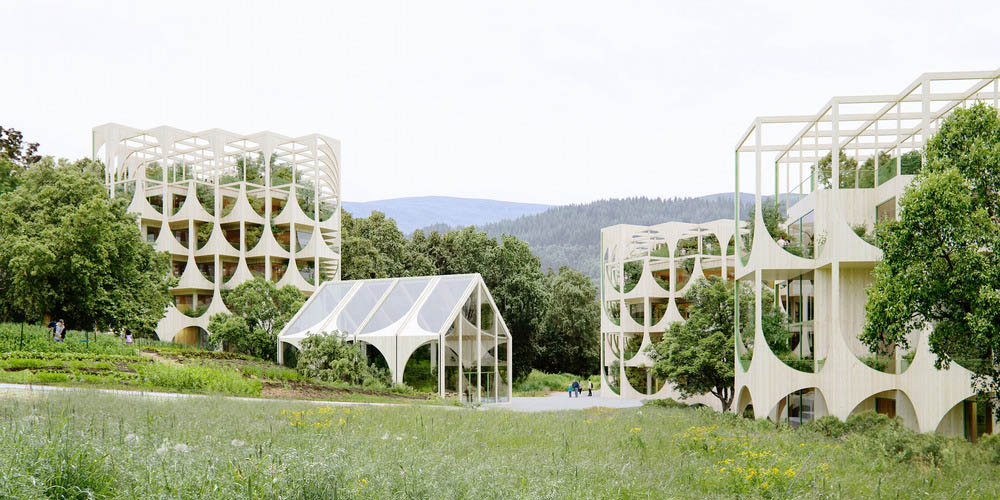
The circular economy has emerged as a transformative model in industries worldwide, and civil engineering is no exception. Instead of the traditional “take, make, dispose” approach, the circular economy focuses on minimizing waste and maximizing the life cycle of materials. For civil engineering, this means designing infrastructure and construction projects that rely on resource efficiency, material reuse, and sustainable practices.
At its core, the circular economy for materials in civil engineering emphasizes reducing raw material extraction, reusing components, and recycling waste into valuable resources. This paradigm not only reduces environmental harm but also introduces cost efficiencies and resilience into long-term projects.
- Why Circular Economy Practices Are Shaping Civil Engineering Trends
- Key Benefits of Applying the Circular Economy for Materials in Construction
- Reuse and Recycling of Materials Driving Civil Engineering Trends
- Circular Economy for Materials and Its Role in Sustainable Infrastructure
- How Policy and Regulations Influence Circular Economy Adoption
- Innovative Technologies Supporting Circular Economy for Materials
- Challenges and Barriers in Implementing Circular Economy for Civil Engineering
- Global Case Studies: Circular Economy Success in Civil Engineering Trends
- The Future of Circular Economy for Materials in Civil Engineering
Why Circular Economy Practices Are Shaping Civil Engineering Trends
Civil engineering has always evolved alongside the needs of society. Today, sustainability and climate change are among the biggest challenges shaping industry practices. Circular economy principles are driving civil engineering trends by pushing engineers to rethink material sourcing, project design, and end-of-life strategies for structures.
One of the biggest reasons for this shift is the construction industry’s significant environmental footprint. Globally, construction consumes around 40% of raw materials and generates over 30% of total waste. By embedding circular economy practices, civil engineers are aligning with global sustainability goals and delivering solutions that balance infrastructure growth with environmental stewardship.
These practices are no longer optional; they’re becoming a benchmark for modern civil engineering trends, influencing design standards, project financing, and even public perception.
Key Benefits of Applying the Circular Economy for Materials in Construction
The circular economy provides tangible benefits for civil engineering projects:
- Cost Savings – Reusing and recycling materials reduces expenses on raw material procurement and waste disposal.
- Environmental Protection – Circular practices reduce carbon emissions and conserve natural resources.
- Longevity of Structures – Designing for adaptability and reuse extends the lifespan of infrastructure.
- Compliance and Funding – Many governments and funding bodies prioritize projects that integrate sustainability measures.
- Reputation and Innovation – Companies adopting circular practices are perceived as forward-thinking leaders in the sector.
Ultimately, these benefits improve not only the bottom line but also the social and environmental impact of civil engineering projects.
Reuse and Recycling of Materials Driving Civil Engineering Trends
The reuse and recycling of construction materials are central to circular economy practices. Instead of sending waste to landfills, materials like concrete, steel, asphalt, and timber can be reclaimed and reintegrated into new projects.
- Concrete Recycling: Crushed concrete can serve as aggregate in new mixes, reducing reliance on virgin stone.
- Steel Reuse: Steel maintains its strength after recycling, making it ideal for closed-loop applications.
- Asphalt Reprocessing: Reclaimed asphalt pavement (RAP) is increasingly common in road construction, cutting costs and emissions.
- Timber Reuse: Salvaged wood can be repurposed for structural or decorative applications.
These practices are gaining momentum and are often highlighted in civil engineering news, showcasing innovative projects where recycled materials outperform traditional ones.
Circular Economy for Materials and Its Role in Sustainable Infrastructure
Sustainability is at the forefront of infrastructure development, and the circular economy provides a clear pathway to achieving it. Sustainable infrastructure means creating roads, bridges, railways, and buildings that meet current needs without compromising future generations.
Circular material management supports this by:
- Reducing demand for finite natural resources.
- Encouraging modular design for disassembly and reuse.
- Incorporating lifecycle assessments to minimize hidden costs.
As cities expand and infrastructure ages, the circular economy ensures that growth doesn’t come at the expense of environmental stability.
How Policy and Regulations Influence Circular Economy Adoption
Policy frameworks and regulations play a critical role in promoting or hindering circular practices. Many governments are introducing stricter requirements for waste management, material recycling, and carbon reduction in construction.
For example:
- The European Union’s Circular Economy Action Plan sets ambitious targets for construction waste recycling.
- The U.S. Environmental Protection Agency (EPA) encourages sustainable material management through incentives.
- In Asia, countries like Japan and Singapore are adopting zero-waste construction frameworks.
These policies create both opportunities and challenges for engineers. While compliance demands can increase project complexity, they also drive innovation and funding opportunities for forward-looking firms.
Innovative Technologies Supporting Circular Economy for Materials
Technology is a key enabler of circular economy adoption in civil engineering. Some of the most promising innovations include:
- Building Information Modeling (BIM): BIM enables precise tracking of materials throughout a project’s lifecycle, allowing for better reuse planning.
- Material Passports: These digital records store information about materials used in construction, making it easier to recycle or repurpose them later.
- 3D Printing with Recycled Materials: Additive manufacturing allows engineers to repurpose waste plastics or concrete into new components.
- AI-Powered Predictive Design: Artificial intelligence helps forecast material performance, ensuring optimal reuse and minimizing waste.
These technologies are reshaping how projects are designed, executed, and maintained, ensuring that circular practices are not just theoretical but actionable.
Challenges and Barriers in Implementing Circular Economy for Civil Engineering
While promising, the circular economy faces hurdles in civil engineering.
- Cost and Investment – Initial costs for recycling facilities and advanced technologies can be high.
- Standardization Issues – Lack of universal standards makes material reuse inconsistent.
- Cultural Resistance – Some stakeholders remain skeptical about using recycled materials in large-scale projects.
- Regulatory Complexity – Navigating multiple policies across regions can slow adoption.
- Technical Limitations – Not all materials can be recycled indefinitely without performance loss.
Overcoming these barriers requires collaboration between engineers, policymakers, and industry leaders.
Global Case Studies: Circular Economy Success in Civil Engineering Trends
Real-world case studies highlight the success of circular economy practices:
- Netherlands’ Circular Roads Project: Roads built with recycled asphalt reduced emissions by 35%.
- UK’s Crossrail Project: Excavated materials were reused to create new wetlands and wildlife habitats.
- Singapore’s Zero Waste Masterplan: Construction debris recycling reached nearly 99%, setting a global benchmark.
- Scandinavian Infrastructure Projects: Modular bridge designs allow components to be reused instead of discarded.
These projects are often featured in civil engineering, inspiring other countries to adopt similar practices and proving that circular economy models are not only feasible but highly effective.
The Future of Circular Economy for Materials in Civil Engineering
Looking ahead, the circular economy will become an integral part of civil engineering trends worldwide. As demand for infrastructure rises, reliance on finite raw materials will no longer be sustainable. Engineers must design with adaptability, longevity, and reuse in mind.
Future possibilities include:
- Closed-loop construction ecosystems where waste from one project becomes input for another.
- AI-driven supply chains that optimize material flow.
- Carbon-neutral infrastructure supported by circular practices.
- Global regulatory alignment promoting sustainability across borders.
Civil engineering is at a turning point, embracing the circular economy means building not only for today but for generations to come.

Dilawar Mughal is an accomplished author with a passion for storytelling. His works span various genres, from thrilling mysteries to heartfelt romance novels. With a keen eye for detail and a knack for character development, Dilawar weaves engaging narratives that captivate readers and transport them to new worlds.