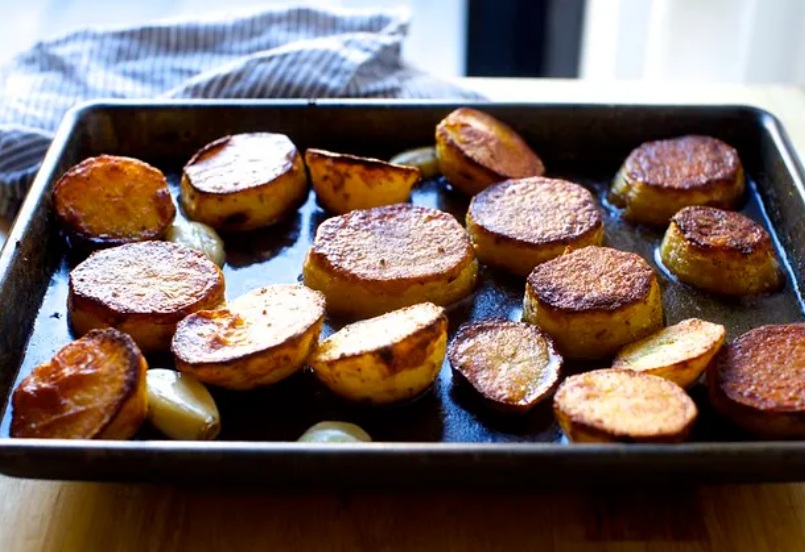
A fork sliding easily into a potato is often treated as the ultimate sign that cooking is complete. Tenderness matters, but it tells only part of the story. The most enjoyable potato dishes have a deliberate texture that matches their purpose. Some need to remain firm enough to hold a dressing, others should collapse effortlessly beneath a fork, and some are at their best when several textures appear in a single bite. Paying attention to these differences can completely change the way potatoes are prepared at home.
Decide What The Final Bite Should Feel Like?
Before preparing potatoes, imagine the texture you want on the plate. This simple decision can guide everything that follows.
Potatoes destined for a salad should generally retain enough structure to survive mixing. Potatoes used for a soft filling can be considerably more yielding. For smashed potatoes, the centers need to become soft enough to flatten while remaining together.
Thinking about the desired bite provides a clearer goal than simply cooking until the potatoes are tender.
Surface Area Can Change The Experience
The shape of a potato influences how it feels when eaten. Thin slices create more exposed surface, while large chunks preserve more of the soft interior.
Small cubes can provide a relatively consistent texture throughout each bite. Wedges offer greater contrast between the outer surface and center. Thin rounds can develop delicate edges while retaining some softness inside.
Changing the shape is therefore an easy way to create a different experience without changing the main ingredients.
Control How Much The Potato Moves?
Potatoes can become damaged during cooking simply because they are handled too aggressively. Frequent stirring may cause softened edges to break away, particularly when working with potatoes that are intended to remain intact.
Gentler movement protects their structure. When stirring is necessary, turning them carefully rather than repeatedly mixing them can produce cleaner shapes and a more appealing final texture.
On the other hand, intentionally roughening cooked potato surfaces can be useful when a recipe calls for an irregular exterior. Technique should always reflect the desired result.
Learn The Difference Between Cooked And Overdone
A potato can be fully cooked without becoming extremely soft. Recognizing this distinction is especially valuable when boiling.
For anyone learning how to boil potatoes, checking several pieces rather than automatically waiting for them to become very soft can help preserve the exact texture required for the finished recipe.
If the potatoes will undergo another preparation step afterward, removing them at the appropriate stage becomes even more important. Their texture will continue changing during the next part of the recipe.
Give Cooked Potatoes Time To Release Steam
What happens immediately after potatoes leave the pot can influence their consistency. Hot potatoes contain moisture, and trapping that steam can leave their surfaces wetter than desired.
Draining them thoroughly and allowing steam to escape briefly can produce a drier surface. This is particularly helpful when the potatoes will later be mashed, seasoned, or incorporated into another preparation.
It is a small pause that can make subsequent steps easier.
Choose The Right Tool For The Desired Finish
Kitchen tools affect potato texture more than many cooks realize. A fork can create a deliberately rustic mash with small pieces remaining. A potato masher produces a more uniform result, while a ricer can create an especially fine consistency.
The same principle applies when cutting. A sharp knife creates cleaner surfaces, while deliberately crushing or breaking potatoes produces irregular edges.
Instead of automatically reaching for the usual utensil, consider what texture that tool will create.
Think About Texture Across The Whole Plate
The best potato texture also depends on what else is being served. A very soft potato preparation may be particularly satisfying alongside crunchy vegetables. Firm potatoes can provide useful substance beside delicate foods.
Contrast prevents a meal from feeling monotonous. Potato texture can therefore be planned as part of the entire plate rather than considered independently.
Conclusion
Cooking potatoes successfully involves more than waiting until they become tender. Shape, handling, cooking duration, steam release, kitchen tools, and the other foods on the plate all influence the final experience. By deciding what each bite should feel like before preparing the dish, home cooks gain much greater control over the result. Tenderness remains important, but texture is what gives a potato dish personality and makes each preparation feel genuinely different.